
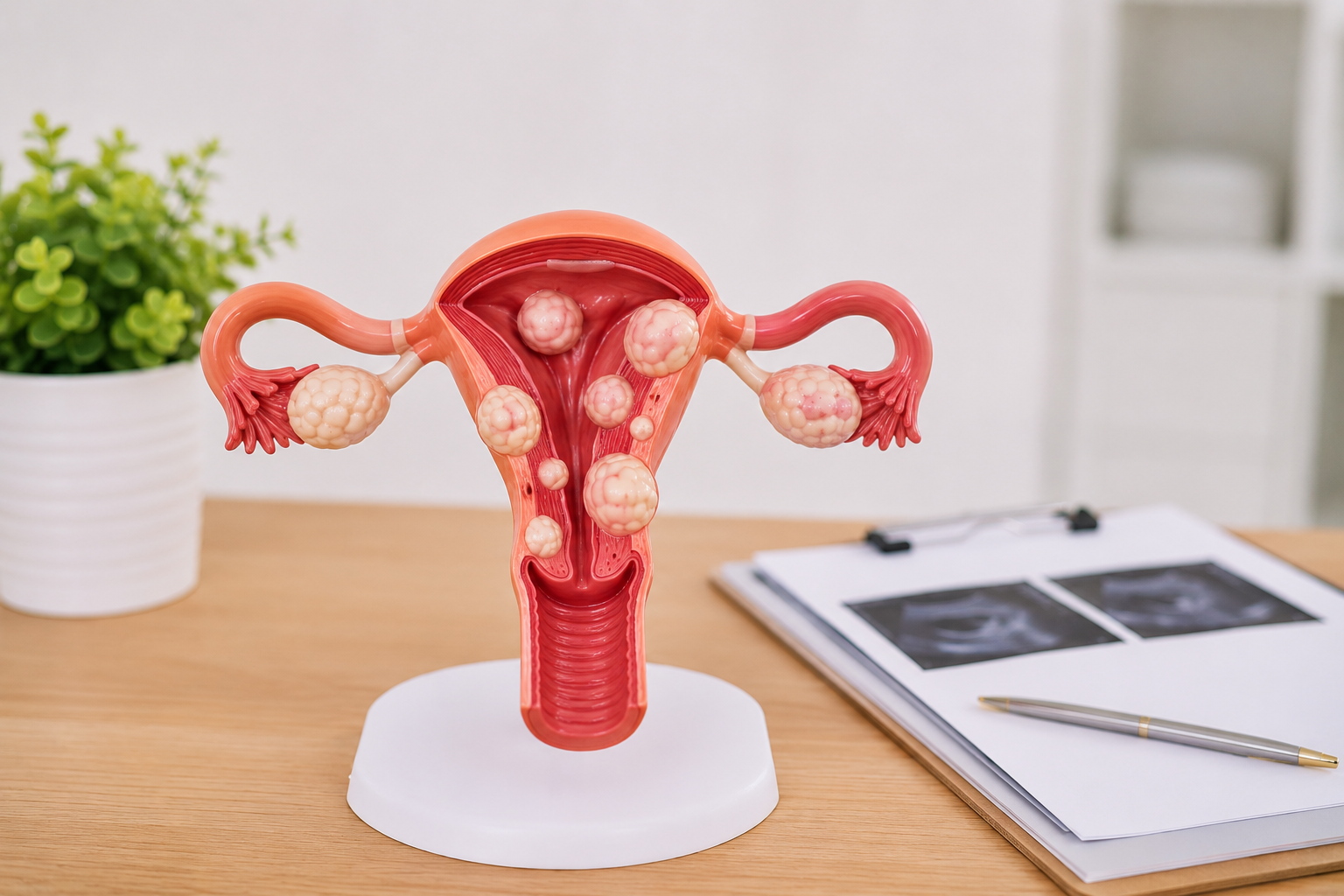
Uterine Fibroid Treatment in Jaipur with Dr. Vibha Sharma
Expert Uterine Fibroid Treatment in Jaipur
Uterine fibroids are one of the most common gynecological conditions affecting women during their reproductive years. Although fibroids are usually non-cancerous, they can cause symptoms such as heavy menstrual bleeding, pelvic pain, abdominal bloating, and fertility problems. If you are experiencing these symptoms, timely medical evaluation is essential.
Dr. Vibha Sharma offers comprehensive and personalized uterine fibroid treatment in Jaipur, helping women manage symptoms effectively while preserving their reproductive health whenever possible. With years of experience in women’s healthcare, Dr. Vibha Sharma is recognized as one of the best gynecologists in Jaipur for diagnosing and treating uterine fibroids.
What Are Uterine Fibroids?
Uterine fibroids, also known as leiomyomas or myomas, are non-cancerous growths that develop in or on the muscular wall of the uterus. Fibroids can vary in size, ranging from very small growths to large masses that may distort the shape of the uterus. Many women may have fibroids without experiencing any symptoms.
Types of Uterine Fibroids
Intramural Fibroids
These fibroids grow within the muscular wall of the uterus and are the most common type.
Submucosal Fibroids
These develop beneath the inner lining of the uterus and may cause heavy menstrual bleeding and fertility issues.
Subserosal Fibroids
These grow on the outer surface of the uterus and may cause pressure symptoms on nearby organs.
Pedunculated Fibroids
These fibroids grow on a stalk either inside or outside the uterus.
Symptoms of Uterine Fibroids
Consult Dr. Vibha Sharma if you experience:
- Heavy or prolonged menstrual bleeding
- Painful periods
- Pelvic pain or pressure
- Abdominal bloating or enlargement
- Frequent urination
- Constipation
- Lower back pain
- Pain during intercourse
- Difficulty conceiving or infertility
- Bleeding between periods
Causes and Risk Factors
The exact cause of uterine fibroids is not fully understood. However, several factors may increase the risk, including:
- Hormonal imbalance (estrogen and progesterone)
- Family history of fibroids
- Obesity
- Increasing age during reproductive years
- Early onset of menstruation
- Lifestyle and dietary factors
Diagnosis of Uterine Fibroids
Dr. Vibha Sharma performs a detailed evaluation to accurately diagnose fibroids, which may include:
- Detailed medical history
- Pelvic examination
- Pelvic ultrasound
- Transvaginal ultrasound
- MRI scan (if required)
- Blood tests to evaluate anemia due to heavy bleeding
Uterine Fibroid Treatment Offered by Dr. Vibha Sharma
Personalized Treatment Plans
Treatment is customized based on the size, location, symptoms, age, and future pregnancy plans of the patient.
Medication Management
Medicines may help control symptoms such as heavy bleeding, pain, and may temporarily shrink fibroids in selected cases.
Hormonal Therapy
Hormonal medications may be recommended to regulate menstrual bleeding and improve symptoms.
Fertility-Preserving Treatment
Special care is provided for women planning pregnancy or experiencing infertility due to fibroids.
Surgical Management
When necessary, surgical treatment options may be advised, including minimally invasive procedures or myomectomy for fibroid removal while preserving the uterus.
Why Choose Dr. Vibha Sharma for Uterine Fibroid Treatment in Jaipur?
- Experienced Gynecologist & Obstetrician
- Accurate Diagnosis and Advanced Evaluation
- Personalized Treatment Approach
- Fertility-Focused Care
- Advanced Diagnostic Facilities
- Compassionate & Patient-Centered Care
- Comprehensive Women’s Healthcare Services
Complications of Untreated Fibroids
If left untreated, uterine fibroids may lead to:
- Severe anemia due to heavy bleeding
- Chronic pelvic pain
- Infertility
- Recurrent pregnancy loss
- Urinary and bowel problems
- Pregnancy complications
Frequently Asked Questions (FAQs)
1. What are uterine fibroids?
Uterine fibroids are non-cancerous growths that develop in or around the uterus.
2. Are uterine fibroids cancerous?
No, uterine fibroids are usually benign (non-cancerous) growths and rarely become cancerous.
3. What are the common symptoms of uterine fibroids?
Common symptoms include heavy periods, pelvic pain, abdominal bloating, frequent urination, and fertility problems.
4. Can fibroids affect fertility?
Yes, certain types and sizes of fibroids can interfere with conception and pregnancy.
5. Can uterine fibroids be treated without surgery?
Yes, many fibroids can be managed with medications and regular monitoring depending on symptoms and size.
6. When is surgery required for fibroids?
Surgery may be recommended when fibroids cause severe symptoms, infertility, or continue to grow rapidly.
7. Can fibroids recur after treatment?
Yes, fibroids can recur after treatment, especially in younger women. Regular follow-up is important.
8. Why choose Dr. Vibha Sharma for uterine fibroid treatment in Jaipur?
Dr. Vibha Sharma provides expert diagnosis, individualized treatment plans, and compassionate care for women suffering from uterine fibroids.